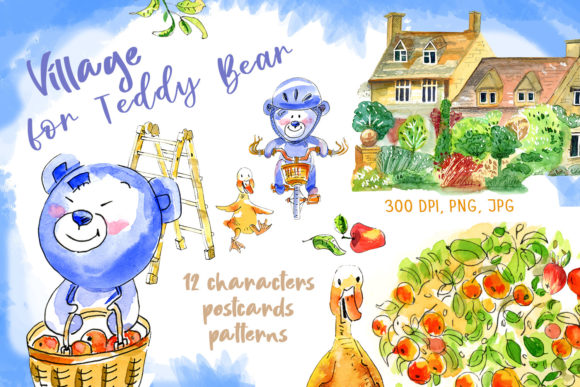
Review: Watercolor Village for Teddy Bear Design
As a designer who spends more time staring at stitch simulations than most people care to admit, I approach every new machine embroidery design with a mix of excitement and skepticism. We have all seen those digital previews that look stunning on a screen but turn into a tangled mess of thread on fabric. Today, I am breaking down the Watercolor Village for Teddy Bear from the Illustrations category to see if it holds up under the needle for real-world projects.
My first impression of this design is its gentle, whimsical mood. Unlike rigid geometric patterns or hyper-realistic portraits, this piece leans into a softer aesthetic. The concept of a teddy bear situated within a watercolor-style village suggests nostalgia and comfort. Visually, the layout feels balanced, avoiding the common pitfall of overcrowding the central motif. For an embroidery project intended to evoke warmth, this visual personality is spot on. It does not scream for attention; rather, it invites the viewer to look closer, which is exactly what you want for high-end handmade goods.
Real-World Application: The Boutique Sweatshirt Test
To truly evaluate this design, I imagined a specific scenario: a custom order for a boutique client wanting a limited-run line of cozy autumn sweatshirts. The goal was to create a personalized gift vibe that could also stand as small shop product inventory. Here is where the Watercolor Village for Teddy Bear shines. When translated from a digital embroidery file to a heavy cotton blend, the soft edges of the "watercolor" effect need to be managed carefully.
In a real stitching situation, this design would likely rely on a combination of fill stitch for the broader areas of the village and the bear, potentially mixed with satin stitch for defining outlines or key details like windows and facial features. If the digitizer has done their job, the transition between these stitch types should be seamless. On a sweatshirt, the texture of the fabric adds depth, making the village scene feel almost painted onto the garment. For an Etsy seller, this kind of finished product offers high perceived value. It moves beyond a simple logo slap and becomes a piece of wearable art.
Beyond apparel, I can see this working beautifully as a tote bag design. Canvas provides a stable base that handles detail well, allowing the intricate elements of the village background to remain clear. It would also make a charming addition to nursery decor, perhaps stitched onto a pillow cover or a blanket. The theme fits perfectly for baby embroidery projects, offering a soothing image for a child's room without being overly juvenile.
Technical Considerations and Fabric Challenges
However, no design is universal, and practical judgment requires knowing where Watercolor Village for Teddy Bear might struggle. The "watercolor" aesthetic often implies soft gradients and blended colors. In embroidery, we achieve this through careful thread color selection and stitch direction. If you are working on a dark fabric, you must ensure the design includes a solid underlay or backing layer. Without it, the fabric color might bleed through the lighter threads of the village sky or the bear's fur, ruining the illusion.
Stitch density is another critical factor. If the design is too dense in an attempt to mimic a painted look, it can cause the fabric to pucker, especially on stretchy materials like t-shirts or thin linens used for tea towels. Conversely, if the density is too low, the fabric grain will show through, making the finished product look amateurish. Before committing to a client order, I always advise testing the design on scrap fabric identical to your final material. Check how the stabilizer interacts with the hoop tension. For curved surfaces like caps, this design might be risky unless the village elements are simplified, as detailed corners can distort on a structured front panel.
Small details are the make-or-break element here. If the village includes tiny houses or small trees, verify that these elements are large enough to stitch out cleanly at your intended size. Tiny lettering or minute architectural details can easily become blobs of thread if the hoop size forces the design to be scaled down too much. Always review the smallest components of the design in a preview mode or a test run before selling it as a commercial embroidery asset.
Enhancing Brand Value and Customer Trust
From a business perspective, the choice of design directly impacts brand consistency and customer trust. Using a cohesive, high-quality illustration like Watercolor Village for Teddy Bear signals professionalism. It tells your customer that you care about the aesthetics of your handmade product. When a buyer receives an item with crisp stitching, logical color transitions, and a thoughtful composition, their engagement with your brand increases. They are more likely to share photos of their holiday embroidery gifts or recommend your shop for custom apparel.
This design also serves well for creating printable mockups. Because the theme is so distinct, it photographs well for online listings, helping you sell the idea of the product before it is even stitched. Whether you are selling the physical item or using the design as part of a larger collection of design assets, the visual appeal drives sales.
Final Designer Notes for Success
Before you load this into your machine, keep these practical steps in mind:
- Thread Selection: Do not rely solely on the default color chart. Compare the suggested thread colors against your actual spools under natural light to ensure the watercolor effect translates correctly.
- Stabilizer Choice: Match your stabilizer to the fabric weight. A cut-away stabilizer is often safer for designs with significant fill areas to prevent long-term distortion.
- Licensing Check: Always confirm the license terms. Just because a file is available does not mean it is cleared for unlimited commercial embroidery use. Verify if you can sell finished items or if there are restrictions on the number of products.
- File Verification: Since specific stitch counts and formats were not provided in the initial overview, ensure you download the correct format for your machine and check the file integrity before starting a production run.
- Contrast Testing: Run a test in black and white (or grayscale) to check the contrast levels. This helps identify if any areas of the village or bear will blend together too much without color differentiation.
In conclusion, the Watercolor Village for Teddy Bear is a strong contender for designers looking to add a touch of storytelling to their work. It bridges the gap between cute and sophisticated, making it versatile for everything from embroidered patches to heirloom-quality blankets. With proper testing and attention to fabric compatibility, it can be a staple in your library of Illustrations for years to come. Treat it with the respect a good design deserves, and it will reward you with beautiful, sellable results.