Review: Watercolor Clipart Rose Flower Bouquet for Embroidery
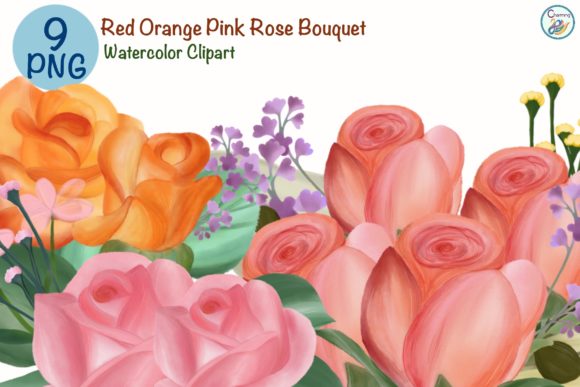
As a designer who spends more time staring at stitch simulations than most people care to admit, I approach every new digital embroidery file with a mix of optimism and skepticism. When I first pulled up the Watercolor Clipart Rose Flower Bouquet, my initial reaction was purely visual. It sits firmly in the Illustrations category, offering that soft, dreamy aesthetic that is currently dominating boutique branding and handmade markets. However, seeing a pretty picture on a screen is vastly different from watching a machine translate those watercolor gradients into thread. My goal here is to break down whether this design holds up under the needle or if it remains strictly a digital asset.
The Aesthetic Appeal and Design Personality
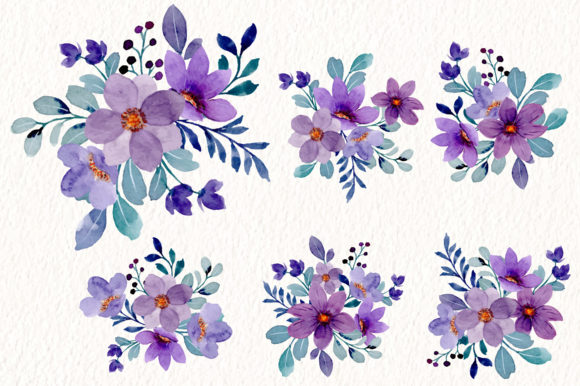
The first thing that strikes you about the Watercolor Clipart Rose Flower Bouquet is its mood. It feels romantic, gentle, and slightly vintage without leaning too hard into cliché. The layout suggests a loose, organic arrangement rather than a rigid, symmetrical bouquet, which is excellent for modern embroidery trends. For those of us creating handmade products, this visual personality is crucial. It speaks to a customer base that values artistry over perfection. The shapes are fluid, avoiding the harsh outlines that can sometimes make floral designs look dated. If you are aiming for a "painted" look on fabric, this design provides a strong foundation, provided the digitizer has respected the nuances of the original artwork.
Real-World Application: The Tote Bag Test
To truly evaluate this design, I imagined a specific real-life scenario: a custom order for a local florist needing branded tote bag design options for their spring collection. They wanted something that looked high-end but not overly corporate. The Watercolor Clipart Rose Flower Bouquet seemed like the perfect candidate. On a natural canvas tote, the softness of the roses would complement the texture of the fabric beautifully. Unlike a bold, blocky logo, this design invites the viewer to look closer, adding a layer of sophistication to the finished product.
However, translating this to sweatshirt embroidery requires a different mindset. On a fleece or French terry fabric, the details need to be robust enough not to get lost in the nap of the material. If the design relies too heavily on tiny running stitch details to mimic watercolor bleeding, it might vanish on a textured garment. In this context, the design works best when scaled appropriately, perhaps as a chest pocket accent on a hoodie or a larger back piece on a cardigan. For baby embroidery, the gentle theme is ideal, but one must ensure the stitch density isn't too high, which could make the garment stiff and uncomfortable against sensitive skin.
Navigating Technical Challenges
While the visual concept is strong, practical execution demands caution. Watercolor effects in embroidery are notoriously tricky. They often rely on subtle shifts in thread colors and blending techniques. If the Watercolor Clipart Rose Flower Bouquet utilizes complex fill stitch patterns to achieve gradient effects, you need to be mindful of stitch density. High density can lead to puckering, especially on lighter fabrics like linen tea towels or thin cotton shirts. Before committing to a production run, it is non-negotiable to test the design on scrap fabric that matches your final material.
There are specific scenarios where this design should be used carefully. For instance, attempting this on a curved surface like a cap can be problematic if the bouquet is too wide or lacks proper underlay stabilization. The edges of the petals might pull or distort if the hoop tension isn't perfect. Similarly, on dark fabrics, the translucency implied by watercolor art can be lost unless the digitizer has included a solid underbase or if you are prepared to use lighter threads that may show shadows. If the design includes any tiny lettering or intricate corners, verify that your machine can handle the resolution; otherwise, those details may merge into a muddy mess.
Essential Designer Notes for Success
To get the most out of this machine embroidery design, consider these practical steps before stitching:
- Check the Stitch Map: Review the sequence. Does it jump excessively between color changes? A watercolor look often requires many thread swaps; ensure this fits your production timeline.
- Stabilizer Selection: For a design with this much detail, a cut-away stabilizer is often safer than tear-away, especially for items that will be washed frequently, like kitchen towels or custom apparel.
- Mockup Testing: Create black and white mockups first. This helps you see if the contrast holds up without the distraction of color. If the design loses its shape in grayscale, it might lack definition on the fabric.
- Hoop Size Verification: Confirm the required hoop size against your machine's capabilities. Do not try to resize a complex illustration beyond its recommended limits, as this distorts the stitch angles.
- Licensing Clarity: Since this falls under Illustrations and potentially commercial assets, always confirm the license terms. Are you allowed to sell the physical embroidered patch or small shop product? Can you use it for commercial embroidery clients? Never assume; always read the fine print.
Impact on Brand and Customer Perception
Ultimately, the value of the Watercolor Clipart Rose Flower Bouquet lies in how it elevates your brand. For an Etsy seller or creative entrepreneur, consistency is key. Using a design with this level of artistic flair signals that you care about aesthetics and quality. It transforms a simple pillow cover or apron into a personalized gift that feels curated rather than mass-produced. Customers are drawn to items that tell a story, and the soft, organic nature of this bouquet suggests care and craftsmanship.
When used correctly, this design enhances buyer engagement. It stands out in printable mockups and social media previews because it breaks away from the standard, rigid vector looks common in the industry. However, remember that the fabric texture plays a huge role in the final outcome. A smooth satin will yield a different result than a rustic burlap. Your job as the maker is to pair the design with the right medium to maximize its potential.
Final Verdict for Makers
The Watercolor Clipart Rose Flower Bouquet is a compelling choice for designers looking to add a touch of elegance to their craft business. It bridges the gap between digital art and tactile craft effectively, provided you respect the technical limitations of embroidery. It is not a "set and forget" file; it requires a thoughtful approach to fabric selection, stabilization, and thread choice. But for those willing to put in the prep work, the resulting holiday embroidery, wedding gifts, or boutique merchandise can be stunning. It is a versatile asset that, when handled with professional care, can significantly boost the perceived value of your handmade creations.
Before you download or stitch, take a moment to visualize the end use. Will it shine on a blanket? Will it survive the wash cycle on a child's shirt? If the answer is yes, then this design is ready to become a staple in your library of design assets. Happy stitching!