Owl Sublimation Watercolor: A Designer's Real-World Review
When I first pulled up the Owl Sublimation Watercolor file on my screen, my immediate reaction wasn't to check the stitch count or the file format. Instead, I paused to look at the mood. In the world of Illustrations, watercolor styles are tricky to translate into thread. They rely on soft bleeds, transparency, and organic edges that don't always play nice with the rigid geometry of a sewing machine. However, this specific design caught my eye because it seems to understand that limitation. It doesn't try to force a paintbrush effect where it doesn't belong; rather, it interprets the watercolor aesthetic through thoughtful fill stitch placement and varied stitch density.
As a designer who spends hours tweaking files for clients, I approach every new machine embroidery design with a critical eye for practical application. This isn't just about whether it looks good as a JPEG on a website; it's about how it holds up when stitched onto a textured sweatshirt or a stretchy baby onesie. Here is my breakdown of how Owl Sublimation Watercolor performs in real-life scenarios.
The Visual Personality and First Impressions
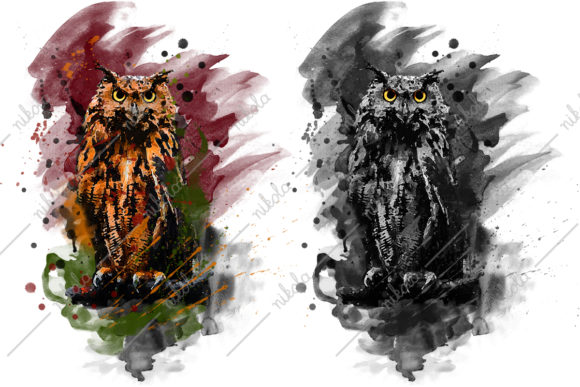
The charm of Owl Sublimation Watercolor lies in its whimsical yet grounded personality. Unlike some cartoonish owl designs that feel too childish for boutique branding, this one strikes a balance. The shape is organic, avoiding harsh, boxy outlines that can make an embroidered item look cheap. The layout suggests a central focal point, likely the owl's face, surrounded by softer, feather-like details that mimic the flow of watercolor paint.
For Etsy sellers and craft business owners, visual appeal is currency. This design feels premium. It has the kind of artistic flair that justifies a higher price point on a handmade product. When I imagine this stitched out, I see it working beautifully as a statement piece rather than a tiny accent. It demands space to breathe, which means it's perfect for items like tote bags, pillow covers, or the chest of a oversized hoodie.
Real-Case Scenario: The Boutique Tote Bag
To truly test the viability of this design, I mentally walked through a common project: creating a custom line of canvas tote bags for a local farmer's market. Canvas is a fantastic fabric for embroidery because it's stable, but it has a distinct weave. If a design is too dense, the fabric puckers; if it's too light, the background shows through awkwardly.
Owl Sublimation Watercolor appears to handle this well. The variation in stitch direction helps break up the monotony of large fill areas, which is crucial for maintaining the "watercolor" illusion without creating a solid block of plastic-looking thread. For a tote bag design, this means the owl would stand out clearly against natural or dyed canvas. Customers browsing a craft fair are drawn to items that look handcrafted but polished. This design delivers that "artisan" vibe that builds customer trust and encourages impulse buys.
I also considered this for sweatshirt embroidery. French terry and fleece can be challenging due to their loft. The key here would be ensuring the underlay is sufficient to prevent the fabric from swallowing the finer details of the owl's feathers. If the embroidery file is optimized correctly, the result would be a cozy, high-value personalized gift that feels substantial and warm.
Technical Considerations and Fabric Compatibility
While the aesthetic is strong, we must discuss where caution is needed. Watercolor-style designs often rely on subtle color transitions. In embroidery, we achieve this through thread changes or blending techniques. If you are using Owl Sublimation Watercolor on dark fabric, you must verify that the design includes a solid underlay or background fill. Without it, the delicate edges of the watercolor effect might get lost against a black or navy backdrop.
Furthermore, consider the hoop size. This design does not look like a candidate for a 2x2 inch hoop on a cap visor. The detail level suggests it needs room. Attempting to shrink this down for a baby embroidery project on a small bib could result in lost definition, where the running stitch details merge into a blob. Always check the recommended minimum size before committing to small applications.
Textured fabrics are another variable. On a waffle knit or a heavy linen, the stitch density needs to be balanced. Too many stitches on a loose weave can cause distortion over time, especially after washing. For items like tea towels or aprons that see frequent use, I recommend testing a sample on scrap fabric of the same weight. Check if the stabilizer you are using is cut-away rather than tear-away for long-term durability.
Enhancing Brand Value and Professionalism
Using a high-quality digital embroidery file like Owl Sublimation Watercolor directly impacts your brand consistency. If you run a small shop selling nursery decor, having a cohesive look across your pillow covers, blankets, and wall hangings is vital. This design fits seamlessly into a nature-inspired or woodland theme. It elevates the perceived value of the finished product.
For commercial embroidery projects, professionalism is non-negotiable. Clients want to know that their logo or custom graphic will look crisp. While this is an illustration, the principles remain the same. The clarity of the stitching determines whether a client comes back. A messy, puckered owl ruins credibility. Conversely, a clean, vibrant execution of this design reinforces your reputation as a skilled maker.
Practical Notes for the Embroiderer
Before you start stitching your next batch of holiday embroidery gifts or custom apparel, keep these practical tips in mind:
- Test on Scraps: Never run a new design on your final garment first. Use a scrap piece of the actual fabric to check for puckering and registration.
- Thread Contrast: Pay attention to the thread colors suggested in the file. If you deviate, ensure there is enough contrast between the layers to maintain the watercolor depth.
- Stabilizer Choice: For stretchy fabrics like t-shirts, a high-quality cut-away stabilizer is essential to support the fill stitch areas.
- Mockup Verification: Create a black-and-white mockup of the design to see if the values hold up without color. This helps identify if any areas are too sparse.
- Licensing Check: Always confirm the license terms. Just because you bought the design assets doesn't automatically mean you can sell unlimited physical goods or digital derivatives. Read the fine print.
In conclusion, Owl Sublimation Watercolor is a versatile addition to any designer's library. It bridges the gap between digital art and tactile craft. Whether you are making a wedding gift, stocking your small shop product lineup, or creating a unique embroidered patch, this design offers the artistic flair needed to stand out. Just remember that the magic happens in the execution—proper hooping, stabilizing, and thread selection will turn this pretty illustration into a stunning piece of wearable art.