Cocker Spaniel Watercolor: Soft Illustrations for Brands
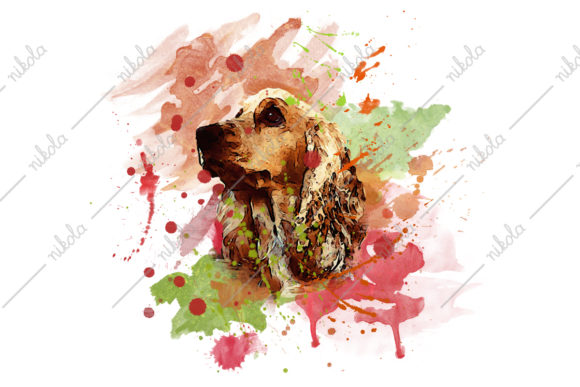
When a client approaches me with a request for a boutique pet brand or a handmade gift line, the first thing I look for is an asset that conveys warmth without sacrificing professionalism. Recently, while developing a visual identity for a local artisan creating custom dog accessories, I reviewed the Cocker Spaniel Sublimation Watercolor. My initial impression was immediate: this graphic design asset strikes a delicate balance between artistic flair and commercial viability. The watercolor technique brings a softness that digital vectors often lack, creating an emotional connection that is crucial for small business branding.
The mood created by these illustrations is inherently gentle and nostalgic. Unlike sharp, corporate geometry, the bleeding edges and varied saturation of the watercolor style suggest craftsmanship and care. For a project targeting dog lovers, this is invaluable. It signals that the products are made with love, fitting perfectly into the aesthetic of a handmade business. Whether used for a seasonal campaign or a permanent logo mark, the Cocker Spaniel Sublimation Watercolor offers a visual language that speaks directly to the heart of the target audience.
Integrating Soft Illustrations into Real Client Projects
In practical application, the versatility of this asset shines across various mediums. For the client project I was envisioning, the primary goal was to create a cohesive brand identity that could stretch from packaging design to social media graphics. The Cocker Spaniel Sublimation Watercolor works exceptionally well as a hero graphic on product mockups. Imagine a tote bag or a ceramic mug; the organic shapes of the watercolor blend seamlessly with the physical texture of the merchandise, making the design feel like part of the product rather than just a sticker on top.
For digital sellers and print-on-demand entrepreneurs, this type of illustration is a goldmine. It serves as a robust foundation for t-shirt design, where the soft gradients can add depth to fabric prints. When adapted for a Cricut project, such as a vinyl decal for a car window or a laptop, the distinct outlines of the spaniel ensure recognizability even when simplified. However, designers must be strategic. This asset thrives in large layout areas and decorative accents where its details can be appreciated. It is ideal for themed collections, such as a series of greeting cards or printable wall art, where the emotional appeal of the dog breed is the central selling point.
Furthermore, in the realm of marketing visuals, these illustrations elevate editorial design and blog visuals. A Pinterest pin featuring this watercolor spaniel is likely to stop the scroll due to its artistic quality, driving higher engagement compared to generic stock photography. For Canva template creators, incorporating this element adds a premium touch that justifies a higher price point for the final digital product.
Navigating Limitations and Visual Hierarchy
Despite its beauty, every graphic design asset has its constraints, and professional judgment requires knowing where not to use it. The Cocker Spaniel Sublimation Watercolor should be used carefully in contexts requiring very clean visual hierarchy or minimalist branding. Because watercolor textures can be complex and slightly unpredictable, they may get lost in small sizes or crowded layouts. If you are designing a favicon or a tiny icon for a mobile app menu, the intricate details of the fur and ears might muddy together, reducing recognition.
Additionally, caution is needed when placing this illustration over complex backgrounds or low-contrast designs. The semi-transparent nature of watercolor means it relies on the background to complete its look. Placing it on a busy patterned background can cause the subject to disappear. For professional corporate materials that demand stark authority and rigid structure, this soft, flowing style might feel too casual. In these scenarios, it is better to use the asset as a supporting brand element rather than the primary logo mark.
Readability is another critical factor. If the illustration is paired with text, ensure there is sufficient negative space. The organic shapes of the spaniel should not compete with typography. In my review, I found that pairing this illustration with a clean sans serif font creates a modern design contrast, while a handwritten font enhances the handmade business vibe. However, a heavy display font might overwhelm the delicate nature of the watercolor.
Technical Review and Commercial Considerations
Before finalizing any creative design for a client, I run a series of technical checks. First, I test the Cocker Spaniel Sublimation Watercolor in black and white. This reveals whether the value range is strong enough to stand alone without color, which is essential for single-color printing methods like screen printing or engraving. Next, I check contrast on both light and dark backgrounds. While sublimation typically occurs on light polyester fabrics, knowing how the PNG design behaves on darker mockups helps in creating versatile marketing materials.
File format inspection is non-negotiable. For sublimation, high-resolution PNGs with transparency are standard, but if the asset includes an SVG design, I verify the vector editability. Can I adjust the path? Is the grouping logical? This determines if the illustration can be scaled infinitely for large format printing or simplified for cutting machines. Comparing the file quality against other design assets in the bundle ensures consistency across the project.
Finally, and most importantly, I confirm the commercial license. Using an illustration for an Etsy product or a client's packaging design requires clear rights. Ensure the license covers print-on-demand and unlimited sales if you are a digital seller. Never assume; always read the terms regarding the commercial use of clipart and illustrations. By treating the Cocker Spaniel Sublimation Watercolor not just as a pretty picture but as a functional tool within a broader strategy, designers can unlock its full potential to create trustworthy, engaging, and visually stunning brand experiences.